Scott 3200A Tailwheel – Fully Rebuilt: Precision Steering for Taildragger Aircraft
Scott 3200A Tailwheel – Fully Rebuilt: Precision Steering for Taildragger Aircraft
Blog Article
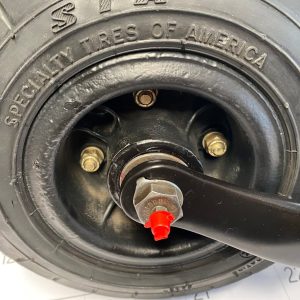
The Scott 3200A Tailwheel – Fully Rebuilt combines an established aviation design with inspected, serviced, adjusted, and replaced components intended to restore dependable mechanical operation. A fully rebuilt description should identify which bearings, bushings, springs, steering components, seals, fasteners, wheel parts, and wear items were replaced or retained.
The Scott 3200A Tailwheel Assembly combines wheel support, directional steering, swiveling capability, and tail-load management within one compact component. The Scott Tailwheel Assembly may contain bearings, bushings, springs, steering pawls, arms, wheel components, axle hardware, fasteners, and internal wear surfaces.
A worn or incorrectly configured Aircraft Tailwheel Assembly can contribute to shimmy, poor tracking, binding, excessive swivel, uneven tire wear, or difficult maneuvering. A General Aviation Tailwheel may be used on get more info training aircraft, classic taildraggers, bush airplanes, utility platforms, experimental aircraft, and restored vintage designs.
Whether buyers need an Aircraft Tailwheel, Taildragger Tailwheel, or complete Aviation Tailwheel System, model identification and rebuild details should be verified.
Key Benefits of a Rebuilt Scott 3200A
Its established design makes it suitable for consideration in restoration projects, utility operations, bush flying, private ownership, and flight training. Poor ground handling can result from issues outside the tailwheel, including incorrect chain tension, fatigued springs, loose mounting hardware, bent tail springs, or misalignment.
Scott 3200A Tailwheel Applications
Its mechanical configuration can support directional control during normal taxiing while allowing wider turning movement when required. Reusable parts may remain acceptable when they pass inspection, while worn or damaged components should be replaced appropriately.
Professional Scott Tailwheel Rebuilding
Final adjustment and functional testing should confirm that the Scott Tailwheel Assembly operates consistently. Transparent rebuild information supports stronger commercial credibility and buyer confidence.
Choosing an Aircraft Tailwheel Assembly
The assembly should move freely enough for intended operation while avoiding uncontrolled swivel or excessive looseness. A bent or fatigued tail spring can alter alignment and the aircraft’s ground attitude.
General Aviation Tailwheel Applications
Grass, gravel, and dirt can introduce moisture, abrasive particles, vegetation, and debris into moving areas. Training aircraft may accumulate frequent taxi and landing cycles, while bush airplanes may experience greater surface irregularity and impact loading.
Choosing an Aircraft Tailwheel
The assembly remains part of a complete ground-handling system that also includes rudder control, brakes, main gear, and pilot technique. The wheel should rotate smoothly without excessive side play, roughness, binding, or abnormal drag.
Maintaining a Taildragger Tailwheel
A Taildragger Tailwheel assists conventional-gear aircraft with directional control during taxi, takeoff, landing, and ramp maneuvering. Responsible operation can extend Taildragger Tailwheel service life.
Aviation Tailwheel System Inspection
A worn tail spring or loose mounting bolt may cause poor tracking even when the rebuilt tailwheel remains mechanically serviceable. Excessive slack can delay steering response, while excessive tension may restrict movement or overload components.
Maintaining a Tailwheel Steering Assembly
Wear in these components may create looseness, poor tracking, inconsistent engagement, or delayed control. The full steering and swivel range should be checked after installation.
Choosing a Ground Handling Tailwheel
Its mechanical condition influences how easily the aircraft can turn and track on the ground. Towbars and handling equipment should match the aircraft and remain clear of vulnerable tailwheel components.
Maintaining Scott 3200 Series Components
The Scott 3200 Series Tailwheel has become familiar within general aviation through its use on numerous conventional-gear aircraft and restoration projects. Different Scott 3200 variants, later manufacturing versions, replacement parts, and modified assemblies may exist.
Choosing a Heavy-Duty Aircraft Tailwheel
Rugged operations may involve gravel, grass, dirt, uneven surfaces, frequent cycles, contamination, and repeated loading. Aircraft operating regularly from unimproved strips may require more frequent servicing.
Inspecting Tailwheel Aircraft Parts
Replacement components should be selected through accurate identification and suitable technical references. A weak spring, worn bushing, rough bearing, damaged pawl, or incorrect fastener may create movement throughout the mechanism.
Aircraft Steering Tailwheel Performance
The assembly should respond without excessive delay, harsh engagement, binding, or uncontrolled movement. Pilots should use techniques appropriate to the aircraft and avoid unnecessary mechanical stress.
Replacement Aircraft Tailwheel Guide
The rebuilt Scott 3200A should be compared with both the existing installation and the intended aircraft configuration. The unit should not be installed solely because it appears clean or freshly refinished.
Buying General Aviation Landing Gear Parts
A complete landing gear assessment may reveal concerns beyond the tailwheel itself. Sellers should avoid unsupported claims of universal compatibility, guaranteed serviceability, or immediate installation readiness.
Scott Tailwheel Condition Checklist
The buyer should request enough information for a qualified maintenance professional to review the assembly before purchase.
- Confirm that the assembly is a Scott 3200A, review all visible markings, compare mounting details, and verify the wheel-and-fork configuration for the intended aircraft.
- Arrange professional evaluation when rebuild quality, structural condition, or internal serviceability remains uncertain.
- Retain all purchase and rebuild records with the appropriate aircraft maintenance information.
Professional Scott 3200A Installation
Mounting surfaces, steering springs, chains, hardware, and attachments should be reviewed before the rebuilt unit is installed. Swivel engagement, release, centering, and directional action should operate consistently.
A post-installation inspection can confirm hardware security and reveal early movement marks.
Protecting a Rebuilt Tailwheel Assembly
Preventive maintenance can identify wear before it develops into shimmy, binding, looseness, poor steering, or component damage. Changes in taxi handling should be documented and reported.
Corrosion protection may be especially important in humid, coastal, agricultural, outdoor-storage, or wet operating environments.
Selecting a Scott 3200A Tailwheel Assembly
For the correct installation, the rebuilt assembly can support directional steering, controlled swiveling, predictable taxiing, and long-term serviceability. Careful technical and commercial evaluation can reduce compatibility problems, repeated repairs, project delays, and unexpected costs.
Whether the requirement is a Scott 3200A Tailwheel Assembly, Scott Tailwheel Assembly, Aircraft Tailwheel Assembly, or General Aviation Tailwheel, exact installation details should guide the purchase. With qualified evaluation and continued care, the Scott 3200A Tailwheel – Fully Rebuilt can deliver a professional combination of durability, directional control, and reliable aircraft ground performance.
Report this page